
Hyperbaric Oxygen Therapy: Benefits, Risks, and How It Helps
Ever wished you could give your cells a literal breath of fresh air? That’s the premise behind hyperbaric oxygen therapy (HBOT): spending time in a specialised chamber breathing oxygen at higher-than-normal pressure to saturate your tissues with more of what they run on—oxygen. In this guide, we’ll unpack how HBOT works, the realistic benefits, what the science actually shows, and how to decide if sessions could support your energy, recovery, and overall performance.
What is Hyperbaric Oxygen Therapy?
Hyperbaric oxygen therapy involves resting in a sealed chamber while the air pressure is increased above normal (sea-level) pressure. In medical-grade settings, you may breathe close to 100% oxygen; in many wellness settings, you’ll be in a pressurised chamber breathing room air or oxygen via a mask. Either way, pressure is the key lever. Under pressure, more oxygen dissolves directly into your blood plasma, not just binding to red blood cells. This boosts the amount of oxygen available to tissues—especially helpful for areas with reduced circulation or higher metabolic demand.
How HBOT Works (In Plain English)
- Pressure: The chamber is set to a level above 1 atmosphere absolute (ATA), often between 1.3 and 2.0 ATA depending on the setting and goal. Even mild increases can meaningfully raise oxygen availability.
- Oxygen delivery: You’ll either breathe enriched oxygen through a mask or rest in a chamber filled with oxygen (hospital-grade systems), further increasing oxygen diffusion into your bloodstream.
- Cellular effects: With extra dissolved oxygen, cells may produce energy more efficiently (mitochondria use oxygen to make ATP), support collagen production, regulate inflammation, and encourage new capillary growth over time.
A Quick Science Refresher: Why Pressure Matters
Henry’s law explains it simply: when pressure goes up, more gas dissolves in liquid. In HBOT, raising ambient pressure means your blood plasma can carry significantly more oxygen. This temporarily increases the gradient driving oxygen from your blood into low-oxygen tissues, which may help normal healing processes work more effectively.
Types of Chambers You’ll Encounter
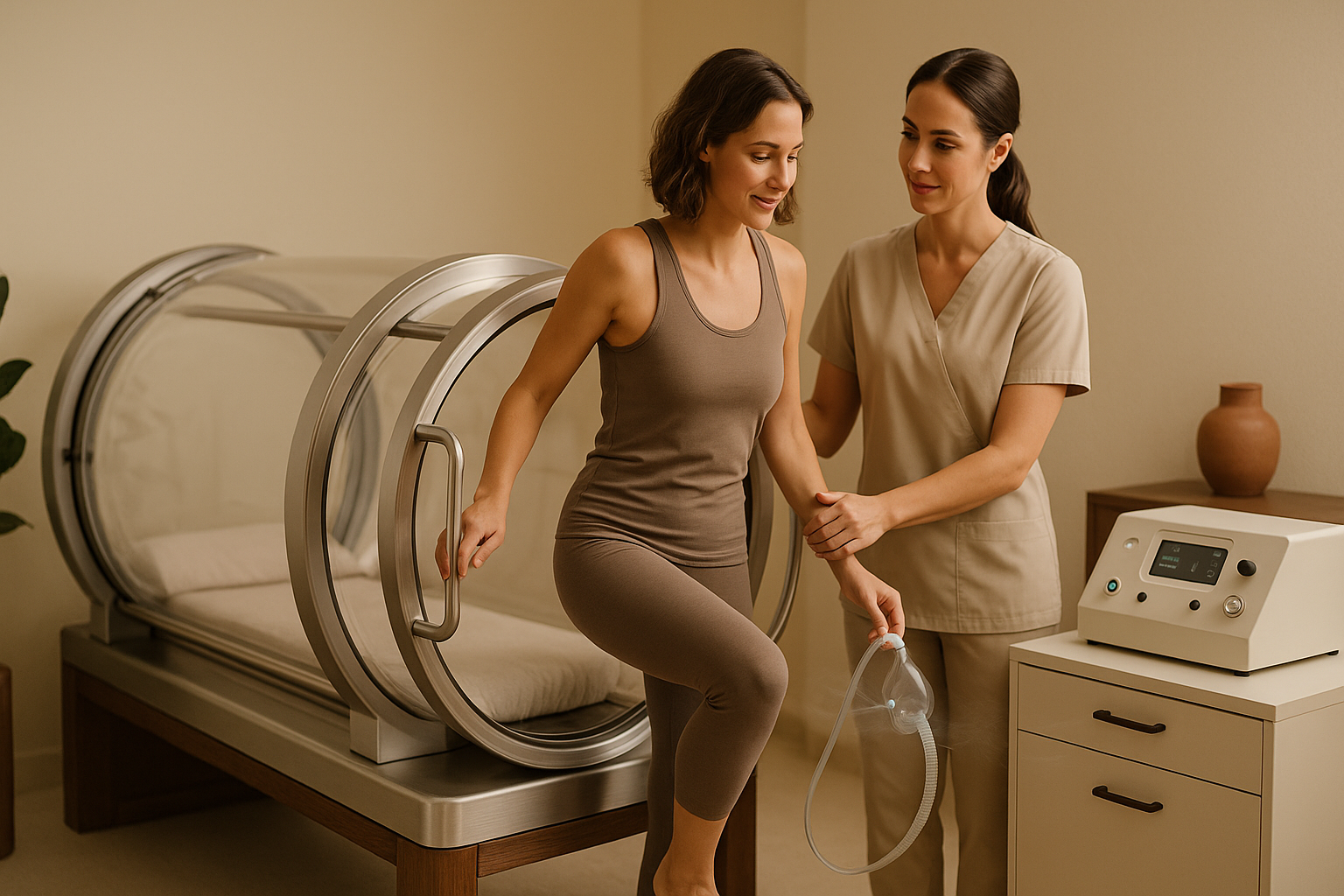
- Monoplace chambers: A single-person acrylic tube, typically used in hospitals or premium clinics. You lie comfortably inside while pressure increases.
- Multiplace chambers: Room-like chambers accommodating several people at once, usually breathing oxygen through masks or hoods.
- Mild hyperbaric chambers: Lower pressure (often up to ~1.3 ATA) commonly found in wellness settings. These may be a gentler introduction for those focusing on recovery, energy, and general wellbeing rather than medical conditions.
The Potential Benefits of HBOT for Modern Life
If your days involve long hours, screens, and back-to-back commitments, you’re not alone. HBOT isn’t a magic bullet, but it can be a supportive tool alongside smart sleep, nutrition, and movement habits.
Energy and Mental Clarity
- Oxygen fuels mitochondria, the powerhouses of your cells. By temporarily raising tissue oxygen levels, HBOT may support steadier energy and clearer thinking, particularly when you feel cognitively taxed.
- Some people report a post-session calm-with-clarity—think focused rather than wired. While responses vary, that relaxed alertness can help with demanding workdays or travel transitions.
Exercise Recovery and Physical Performance
- Post-training recovery: HBOT may help reduce sensations of muscle soreness and support normal repair by improving oxygen delivery to tissues and modulating inflammation.
- Consistency matters: Many users find that a series of sessions, integrated with hydration, adequate protein, and quality sleep, offers steadier, more noticeable benefits than a single session.
- Balanced expectation: While athletes and active individuals use HBOT as part of a broader recovery strategy, individual outcomes vary and the research base for sports performance is still evolving.
Skin, Collagen, and Tissue Support
- Collagen and fibroblasts: Oxygen is a cofactor in collagen synthesis. By increasing tissue oxygenation, HBOT may support the cellular work behind skin integrity and normal wound repair processes.
- Circulation: Over repeated sessions, HBOT may encourage new capillary growth (angiogenesis), which is part of how tissues maintain healthy blood flow.
Stress Regulation and Sleep Quality
- Many clients share that sessions feel meditative. The quiet environment plus steady breathing can be a natural pause from digital overload.
- Some notice better sleep after late-afternoon sessions; others prefer morning sessions to start the day clear-headed. There is no universal rule—track your response to find your sweet spot.
Immune and Inflammation Balance
- Oxygen availability influences how immune cells behave. HBOT has been shown to affect inflammatory signalling pathways and oxidative stress balance. The practical takeaway: by improving oxygen delivery and modulating inflammation, HBOT may support your body’s normal defence and repair mechanisms.
What the Evidence Actually Shows
Established clinical indications
In hospital settings, HBOT is a recognised therapy for specific conditions such as decompression sickness, carbon monoxide poisoning, certain radiation-related tissue injuries, and non-healing wounds under specialist care. These protocols typically involve higher pressures, strict safety measures, and medical oversight.
Wellness and performance applications
For general wellbeing—energy, focus, recovery, skin health—the evidence base is growing but not yet definitive. Studies show promising trends in tissue oxygenation, markers of inflammation, and recovery-related processes, but results vary across protocols, pressures, and populations. A practical stance is sensible: HBOT can be part of a comprehensive plan, not a standalone cure-all.
Key Mechanisms (For the Curious)
- Mitochondrial efficiency: Higher oxygen tension can support ATP production, the cellular currency of energy.
- Collagen and tissue repair: Oxygen supports fibroblast function and collagen cross-linking—key steps in healthy tissue maintenance.
- Angiogenesis: Intermittent hyperoxia can trigger signals that encourage new microvessel growth over time, supporting local circulation.
- Inflammation signalling: HBOT can influence redox-sensitive pathways involved in inflammatory responses, potentially aiding a return to balance after stressors.
Safety, Risks, and Who Should Avoid HBOT
Common, usually mild effects
- Ear pressure or popping: Similar to take-off and landing in an aeroplane. Learning to equalise (swallowing, yawning, Valsalva manoeuvre) usually resolves this.
- Sinus pressure or tooth discomfort: If you have a cold, congestion, or recent dental work, discuss it first.
- Temporary fatigue or light-headedness: Often short-lived and mild.
Less common but important
- Barotrauma (ear or sinus injury) if pressure is not equalised properly.
- Oxygen toxicity at high doses/pressures, which is rare in wellness settings with appropriate protocols.
- Temporary short-sightedness (myopia) after repeated higher-pressure sessions; it usually resolves after stopping treatment.
Who should not use HBOT (or should seek careful medical advice first)
- Untreated pneumothorax (collapsed lung) is an absolute contraindication.
- Certain lung conditions with air-trapping, active upper respiratory infections, uncontrolled fever, or recent ear surgery.
- Those with severe claustrophobia may need additional support or alternative approaches.
- Medication considerations: Some drugs and recent treatments (e.g., specific chemotherapy agents) require case-by-case assessment with a clinician.
- Pregnancy: Only when specifically recommended for a clear medical reason under specialist care.
The Session Experience: What It Actually Feels Like
- Pre-screening: You’ll complete a health questionnaire and discuss your goals. At LIVBETTER, our team helps tailor the pressure and session plan to your needs and experience.
- Before you enter: You’ll remove any prohibited items (particularly anything that could be a fire risk) and get comfortable—light clothing is ideal. Avoid heavy lotions or hair products that could carry scent or residue into the chamber.
- During pressurisation: Expect a gentle build-up of pressure over several minutes. Equalise your ears by swallowing, yawning, or performing a light Valsalva manoeuvre.
- Inside the chamber: Sessions typically last 60–90 minutes. Many people read, listen to calming music via approved devices, or simply rest.
- After the session: You’ll decompress gradually to normal pressure. Most people resume daily activities immediately.
How Many Sessions Do You Need?
There’s no universal prescription. For general recovery or focus, people often start with 1–2 sessions per week for several weeks, then adjust. For more robust goals, short intensive blocks (e.g., 10–20 sessions over a few weeks) may be considered, depending on tolerance and response. Consistency and tracking matter more than chasing any single “perfect” number.
HBOT Works Best as Part of a Broader Plan
- Sleep: Aim for a consistent window, morning light exposure, and a cool, dark bedroom. Oxygen supports repair; sleep seals the deal.
- Nutrition: Prioritise lean protein (for collagen and muscle repair), vitamin C-rich foods (for collagen formation), and colourful plants (for antioxidant support). Pairing HBOT with smart nutrition can compound benefits.
- Movement: Alternate stressors and recovery—pair tougher sessions with a restorative day and consider HBOT post-training to support normal repair.
- Breathwork: Gentle nasal breathing drills can complement HBOT by helping you tolerate CO2 shifts and calm the nervous system.
- Reducing overload: Tech boundaries, micro-breaks, and short outdoor walks pay daily dividends.
At LIVBETTER, we combine advanced therapies like hyperbaric oxygen chamber sessions with real-world nutrition and lifestyle coaching—so you can restore energy, reduce stress, and get on with your life. We keep protocols practical and personal, without hype.
Practical Steps to Get Started
- Clarify your goals: Energy? Recovery between training blocks? Focus during heavy work periods? Define success as how you want to feel and function.
- Book a pre-assessment: Share your health history, medications, and any concerns. Ask about pressure levels (e.g., mild vs higher-pressure protocols), oxygen delivery (mask vs chamber), and session length.
- Start with a short block: Try 3–6 sessions over 2–3 weeks and track changes in energy, sleep quality, training recovery, or focus.
- Track objectively and subjectively: Use a simple journal plus any devices you trust (e.g., HRV, sleep trackers), but remember: how you feel and function day-to-day matters most.
- Adjust and personalise: Increase or decrease frequency, change session timing (morning vs late afternoon), and revisit goals every 2–4 weeks.
- Integrate the basics: Sleep, protein, hydration, and movement are the foundations. HBOT can accelerate progress when the base is solid.
Frequently Asked Questions
Does HBOT feel claustrophobic?
Many people find modern chambers spacious and calming. If you’re concerned, ask to view or sit in the chamber before booking your first session. Breathing techniques and a clear run-through of the process help.
What should I wear?
Comfortable, breathable clothing. Remove jewellery and leave electronics outside unless specifically approved.
Can I bring my phone or tablet?
For safety, many centres restrict electronics. Check your clinic’s policy.
How quickly will I notice benefits?
Some people feel relaxed and clear-headed after the first session. For others, benefits are subtler and build with consistency over a few weeks.
Is HBOT the same everywhere?
No. Pressure levels, oxygen delivery methods, and protocols vary. Hospital-grade therapies follow strict medical indications. Wellness-focused programmes tend to use lower pressures and build slowly, prioritising comfort and consistency.
Will HBOT replace my other recovery tools?
It shouldn’t. Think of it as an effective addition to sleep, nutrition, mobility work, and stress management—not a replacement.
Who supervises sessions?
At LIVBETTER, trained practitioners oversee sessions, guide ear equalisation, and tailor plans to your tolerances and goals.
How LIVBETTER Supports Your HBOT Journey
- Personalised protocols: We match session frequency and pressure to your goals, preferences, and schedule.
- Clinical clarity without the cold: We explain the why behind each step so you understand what you’re doing, what to expect, and how to measure progress.
- Integrated support: We combine hyperbaric oxygen chamber sessions with practical nutrition and lifestyle strategies, so your efforts translate into everyday performance.
- Modern, calm environment: A premium setting designed to help you decompress mentally while you re-oxygenate physically.
Realistic Expectations: What HBOT Can and Can’t Do
- Can support: energy, focus, normal recovery, and the cellular processes behind tissue maintenance and resilience.
- Won’t do: replace foundational habits or act as a standalone cure for medical conditions. For specific diagnoses, always consult your GP or specialist.
The Bottom Line
Hyperbaric oxygen therapy is a sophisticated yet surprisingly simple idea: use pressure to dissolve more oxygen into your bloodstream, then let your body’s own systems put it to work. For many, regular sessions become a quiet anchor in a busy week—helping restore clarity, smooth out recovery, and support everyday performance. If you’re curious, start small, track your response, and make it your own. We’re here to help you think better, feel better, and LIVBETTER—without disrupting your life.
Next Steps
Want to learn more? Check out these articles:
Hyperbaric Oxygen Therapy: Benefits, Safety and Evidence
Check out our Therapies to see which options fit your goals.